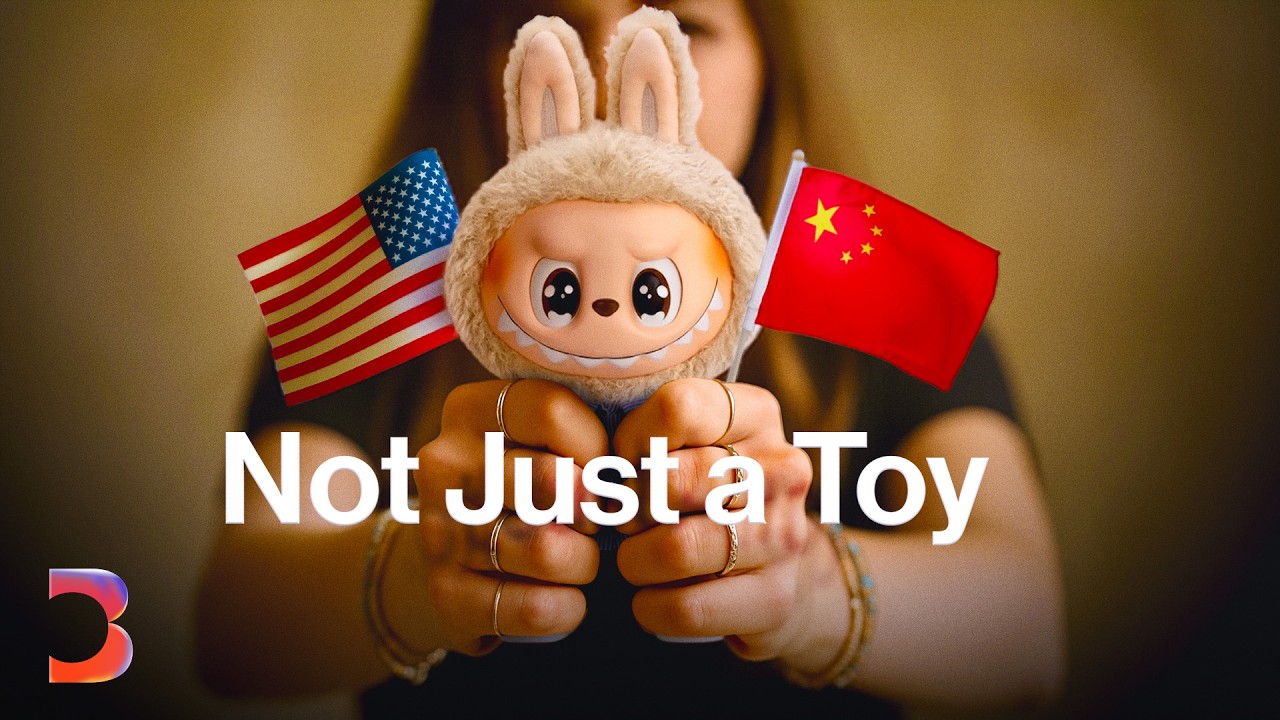
BEIJING — For years, China has been the world's factory, producing everything from shoes to smartphones for consumers around the globe. However, the narrative is shifting as Chinese companies are increasingly designing and marketing their own products, gaining traction in international markets and exerting the country's soft power.
The emergence of Chinese soft power is evident in the rise of companies like Pop Mart, a Beijing-based firm that has seen its shares soar to a record high after announcing a new mini Labubu, a popular toy. The company has expanded its reach globally, with stores now open in the US, not just on the coasts but also in the heartland, such as Ohio. Since 2024, Pop Mart's annual revenue has more than tripled, with overall sales growing by 250%.
TikTok, a Chinese social media app, has played a significant role in introducing Chinese brands to a new generation of young Americans. With over a billion users worldwide, including 170 million in the US, TikTok has become a platform for Chinese companies to showcase their products and connect with consumers. The app's popularity has helped to increase brand awareness and drive sales for companies like Pop Mart, which has seen its products go viral on the platform.
Chinese companies are also making inroads in other markets, such as Brazil, where they are leveraging their expertise in e-commerce and digital payments. Companies like Meituan, a food delivery business, are planning to invest heavily in the Brazilian market, taking advantage of the country's growing urban centers and increasing middle class.
However, the expansion of Chinese brands into international markets is not without challenges. Geopolitical uncertainties, such as tariffs and data privacy concerns, pose significant obstacles. Companies like Huawei and TikTok have faced scrutiny and backlash in some markets, highlighting the complexities of navigating global politics and regulatory environments.
Despite these challenges, Chinese brands are likely to continue their global expansion, driven by the country's growing economic clout and the government's support for overseas investment. As Chinese companies become more entrenched in international markets, they are shaping consumer perceptions and influencing cultural trends.
A Pew Research Center survey found that younger Americans tend to view China more favorably than older generations, suggesting that the soft power of Chinese brands may be having a lasting impact. However, the survey also noted that most countries still have broadly negative perceptions of China, highlighting the need for Chinese companies to focus on good business strategy and sustainability to achieve long-term success.
As the global economy continues to evolve, it is likely that Chinese products and services will become increasingly integrated into daily life, with or without consumers realizing it. According to a global economy expert, "We will continue to see a world that is incorporating more Chinese products as well as Chinese-backed services into their daily lives and into their work." This shift is a natural transition of the Chinese economy, which is expected to lead to the cultivation of the country's soft power.
In conclusion, the rise of Chinese soft power is a significant trend that will continue to shape the global economy and cultural landscape. As Chinese companies expand their reach and influence, they will face challenges and opportunities that will test their resilience and adaptability. However, with the right strategy and support, Chinese brands are likely to remain a major force in international markets, contributing to the country's growing global prominence.
